Amazon rejects a shocking number of shipments before they ever reach a fulfillment center. Wrong labels, missing poly bags, and non-compliant packaging are usually to blame. If you sell from Canada and ship into Amazon US or Canadian warehouses, that risk sits squarely on your shoulders. This is where Amazon FBA prep in Canada comes in, a step most sellers underestimate until a shipment gets flagged.
What Is Amazon FBA Prep, and Why Do Canadian Sellers Need It?
FBA prep covers the tasks that get your inventory ready for Amazon’s fulfillment network. That includes FNSKU labeling, poly-bagging, bundling multiple items into kits, and checking products for damage or defects before they ship.
Amazon has strict rules for how products arrive at its warehouses. Miss a label or skip a required poly bag, and Amazon can reject the shipment, charge a prep fee, or delay your listing.
Canadian sellers face an extra wrinkle. Many ship into both Amazon.ca and Amazon US warehouses, and each has its own labeling and packaging rules. A prep partner based in Canada bridges that gap. It preps goods correctly the first time, whether they’re headed across the border or staying domestic.
FBA Prep vs. Regular Warehousing
Regular warehousing stores and moves inventory. FBA prep is a specialized layer on top of that. It’s built around Amazon’s exact compliance rules, not general storage or pick-and-pack work.
A warehouse might hold your stock and ship orders to customers. An FBA prep center does that too. But it also labels, inspects, and packages goods so Amazon accepts them without a hitch. Skip this step, and you risk fees or rejected shipments that eat into your margins.
How an Amazon FBA Prep Center in Canada Works
A prep center’s job starts the moment your inventory arrives and doesn’t end until Amazon confirms receipt. Understanding that flow helps you spot gaps before they cost you money.
Receiving and Inspecting Inventory
Freight arrives at the prep center from your manufacturer, importer, or another warehouse. Staff check quantities against your packing list and inspect for damage, wrong items, or quality issues.
This inspection step matters more than most sellers realize. Catch a damaged carton here, and it never reaches an Amazon fulfillment center. A rejected unit there turns into a costly return-and-reship cycle.
Labeling, Bundling, and Compliance Checks
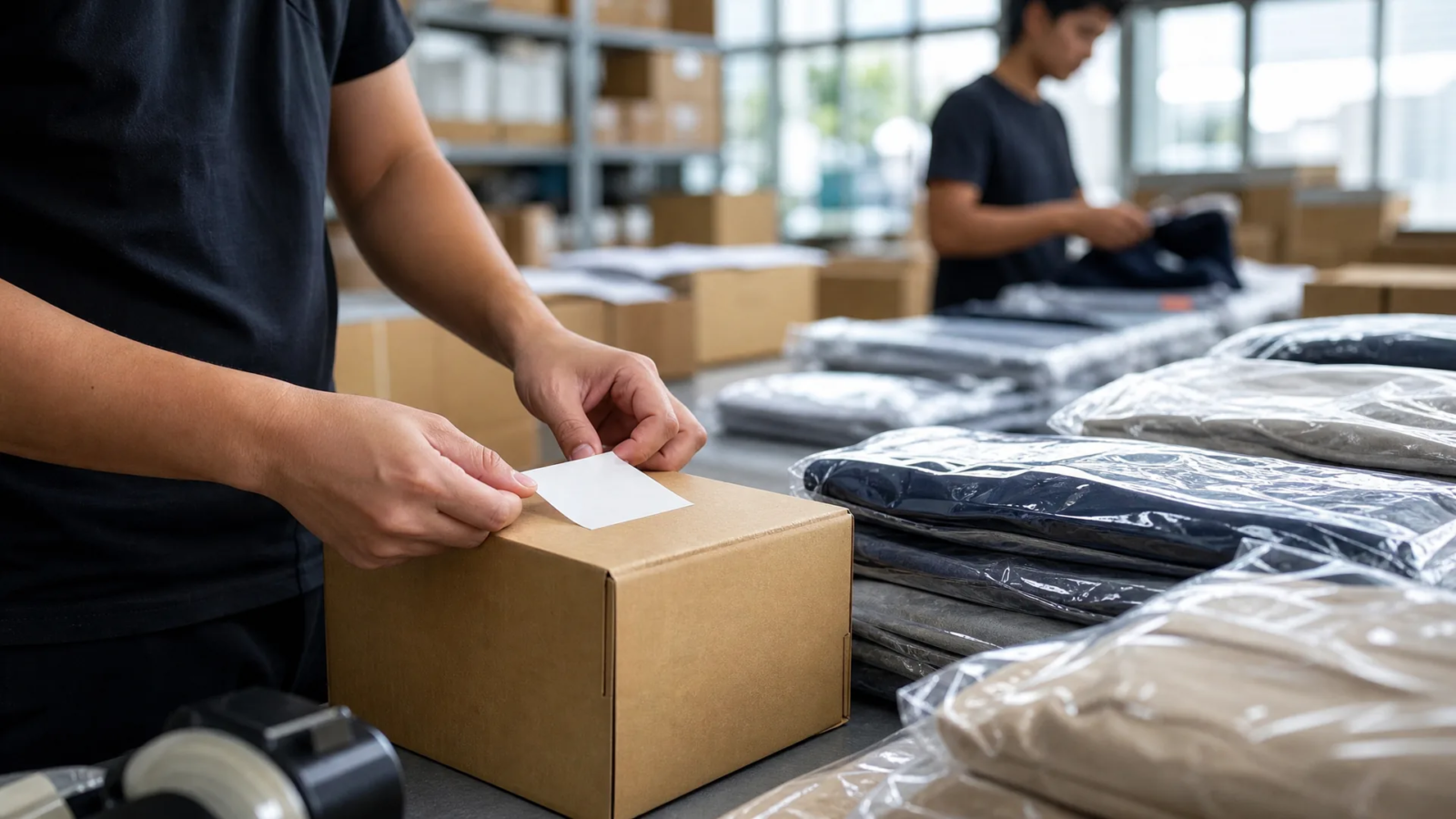
Once inventory passes inspection, the prep team applies FNSKU labels, adds poly bags where Amazon requires them, and builds any bundles or multi-packs your listings need.
A final compliance check follows before goods leave for Amazon. This step catches mislabeled units or missing packaging materials before they turn into rejected shipments and fees you didn’t budget for. A reliable Amazon FBA prep center services provider builds this check into every batch, not just the first one.
Canada-to-US FBA Prep: Cross-Border Logistics Explained
Most FBA prep advice online assumes you’re shipping from a US address to a US warehouse. Canadian sellers work with a different map, and that difference changes how you plan freight and cash flow.
Shipping Into Amazon US Warehouses from a Canadian Prep Center
Selling into the US market as a Canadian business usually means importing goods into Canada first, prepping them domestically, then shipping the finished, Amazon-ready cartons across the border.
Consolidating at a Canadian prep center before that cross-border leg cuts your per-unit freight cost. Instead of shipping many small parcels, you send fewer, fuller pallets or truckloads. Take a small Ontario-based seller shipping bulky home goods into Amazon’s US warehouses: consolidating shipments at a Canadian prep center before they cross the border cuts their freight cost right away. It’s a workflow pattern many growing Canadian sellers now use as they scale into the US market. If you want to go deeper on the freight side, cutting cross-border shipping costs is worth a closer look.
Duties, Customs, and Timing Considerations
Cross-border shipments carry duties, customs paperwork, and border processing time that a domestic-only seller never has to think about. Build extra transit time into your Amazon inbound shipping plans, especially around peak seasons when border traffic slows.
Work with a prep partner that understands customs documentation for both directions. That way, your goods clear the border once, correctly, instead of getting held up and missing a restock window.
Amazon FBA Prep Services in Canada: What Do They Cost?
Sellers ask this question first, and for good reason. But FBA prep pricing depends on several variables, not a single flat rate.
Typical Pricing Factors
Most prep centers charge per unit for core tasks like labeling and poly-bagging, with separate fees for kitting, bundling, or custom packaging. Storage time, box dimensions, and product fragility also factor into the total.
Volume matters too. Sellers moving higher unit counts each month typically unlock lower per-unit prep rates than someone shipping a handful of boxes occasionally. If you want a broader view of what warehousing runs in Canada, typical Canadian warehousing costs gives useful context before you compare prep quotes.
Domestic vs. Cross-Border Prep Cost Differences
Domestic prep, meaning goods that stay in Canada for Amazon.ca fulfillment, tends to cost less overall. There’s no customs paperwork, no cross-border freight markup, and fewer timing risks.
Cross-border prep for Amazon US shipments adds duties, customs handling, and longer transit into the equation. The upside: a well-run Canadian prep center still often costs less than doing this work yourself. DIY prep means buying labeling equipment, training staff, and eating the cost of every rejected shipment along the way. Amazon’s prep and labeling non-compliance fees can add unexpected costs per unit. That’s why sellers increasingly outsource FNSKU labeling and poly-bagging to specialized prep centers instead of risking rejected shipments. Refuse to overpay for mistakes you can avoid by outsourcing to people who do this daily.
Choosing a Canadian FBA Prep Warehouse for Your Business
Not every prep center runs the same way. The gap between a good one and a mediocre one shows up fast in rejected shipments and blown deadlines.
Look for a provider with clear pricing, real experience with Amazon’s compliance rules, and a track record of on-time shipments. Canadian Fulfill operates through its parent company EFS, bringing over 10 years of hands-on warehousing and fulfillment experience to Amazon sellers. That operational history matters when your inventory, and your Amazon account health, is on the line.
Questions to Ask Before Signing a Contract
Ask how they handle rejected or damaged inventory before it reaches Amazon. Ask what happens if a shipment gets flagged for non-compliance after it leaves their facility.
Ask about turnaround times for both domestic and cross-border shipments. Ask whether kitting, bundling, and labeling run through one workflow or get handled by separate teams with separate handoffs.
Get clear on pricing structure too. Per-unit fees, storage costs, and any minimum volume requirements should be spelled out before you sign anything. If you’re comparing this against broader 3PL support for your business, affordable 3PL options for small businesses is a useful comparison point.
To answer one question directly: yes, a capable Canadian FBA prep warehouse handles kitting, bundling, and labeling in a single workflow. Sellers who bundle multiple SKUs into multi-packs or add promotional inserts often rely on a prep center’s kitting service instead of hiring in-house staff for seasonal spikes. That single-workflow approach keeps prep fast and consistent instead of fragmented across vendors.
Why Small Businesses Are Outsourcing FBA Inventory Prep in 2026
More Canadian sellers are handing FBA inventory prep to dedicated warehouses this year instead of running it in-house. Labor costs keep climbing, and Amazon’s compliance rules keep tightening. Doing prep yourself means carrying that overhead and that risk alone.
Outsourcing lets you scale fearlessly. Seasonal spikes stop meaning frantic hiring. A growing SKU catalog stops meaning more warehouse space you have to lease and manage. A prep partner absorbs that variability so you can focus on sourcing and selling.
If you’re currently prepping in-house, or working with a provider that isn’t cutting it, plan the move carefully. A guide on switching fulfillment providers without downtime walks through how to make that transition without disrupting your Amazon listings.
Ready to see what compliant, cost-transparent prep actually looks like for your business? Before you reach out, it helps to know what to include when requesting a fulfillment quote so you get an accurate number back fast. Request a custom FBA prep quote from Canadian Fulfill and see exactly what you’d pay to stop overpaying for prep mistakes.
Add a Comment